Benefits Of Playing Chess

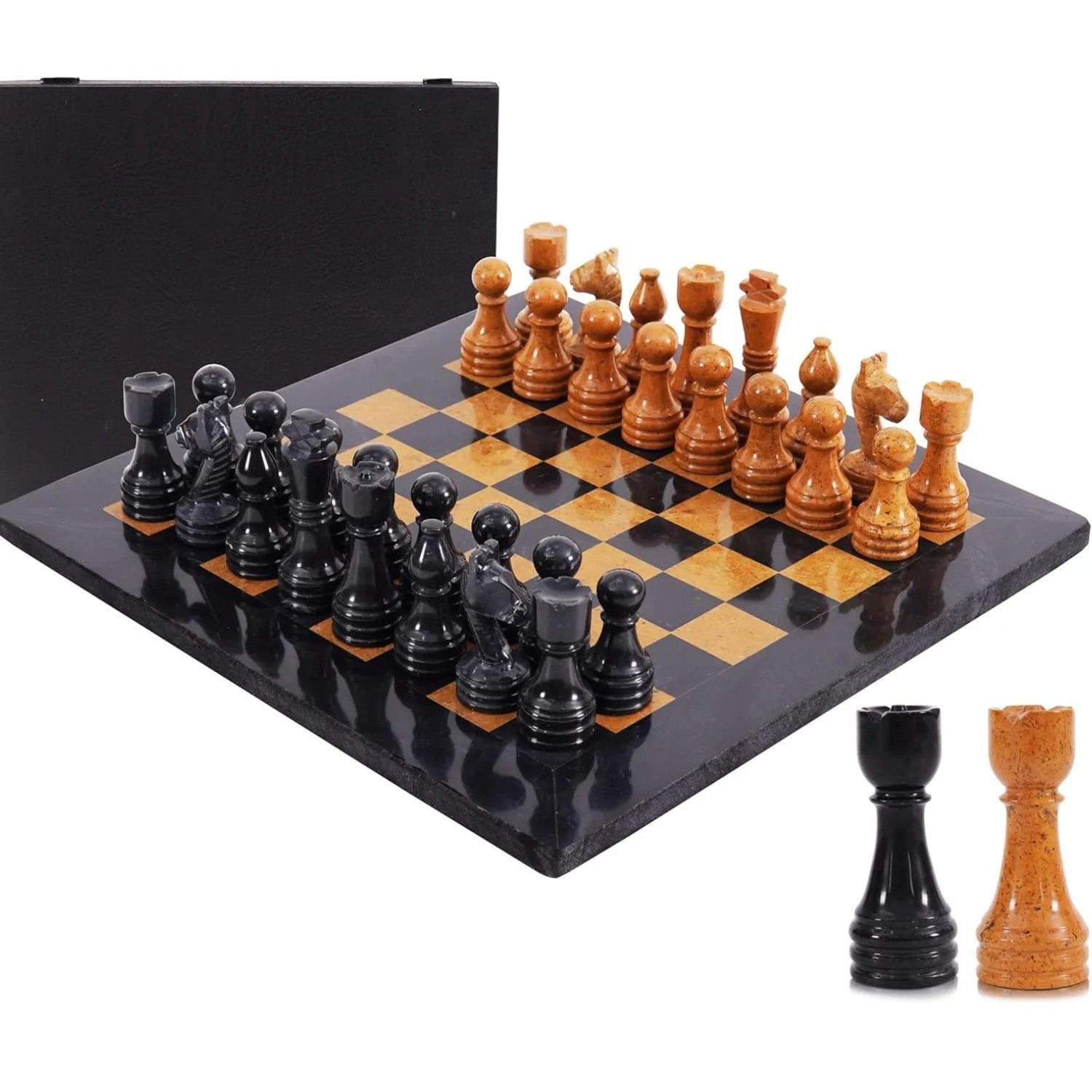
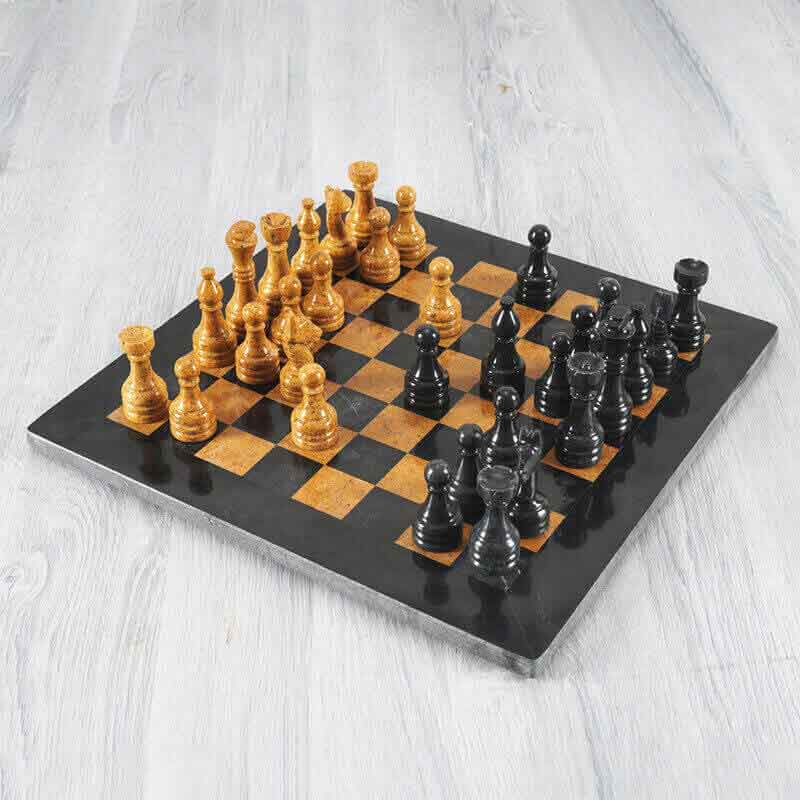
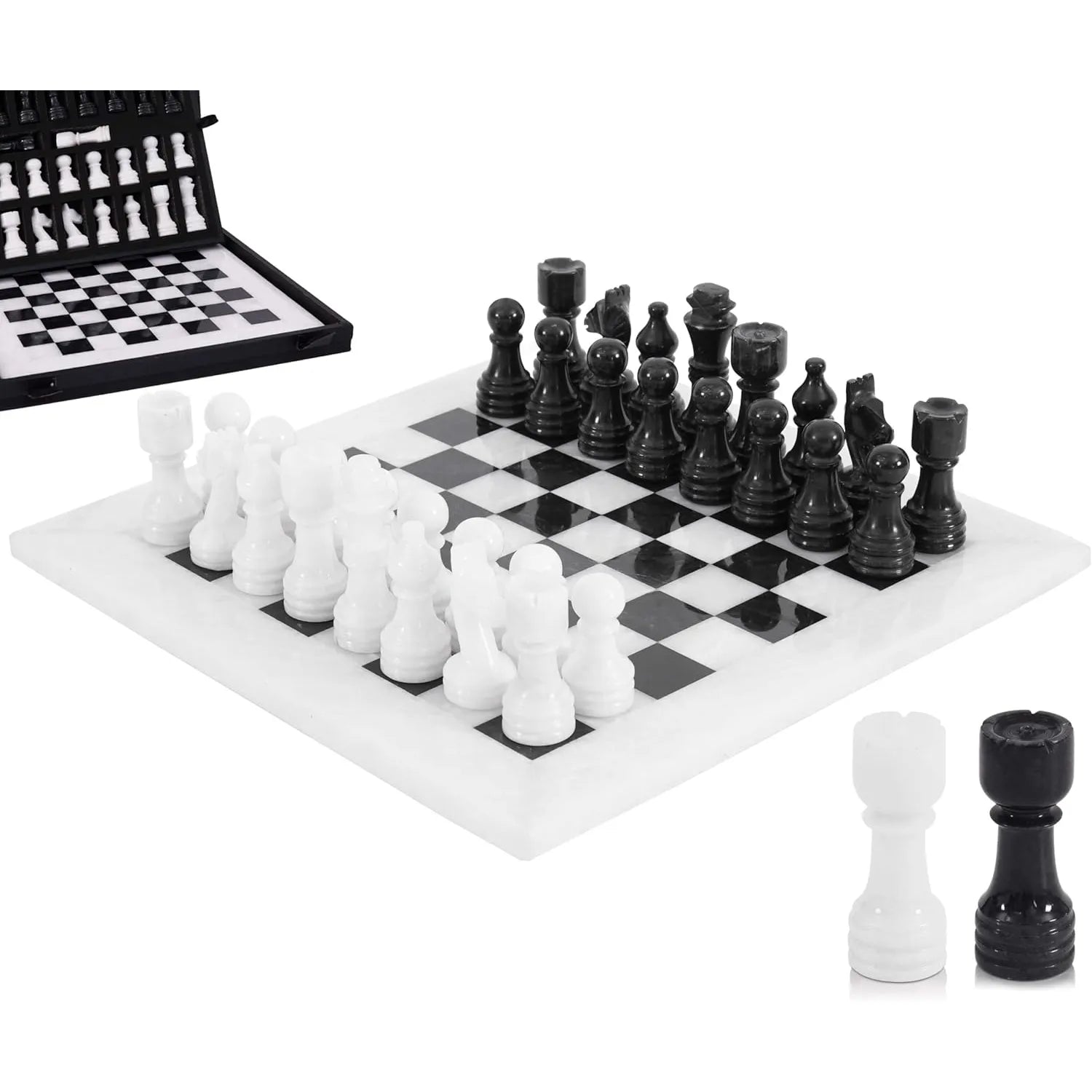
Chess is a strategic game that people have played for centuries. It originated in India during the Gupta Empire and later spread to Persia, the Arab world, Europe, and eventually the rest of the world. That is why we at Royal Bishop encourage everyone to discover this timeless game — and if you are ready to begin, explore our handcrafted marble chess sets.
Chess is one game in a rich family of marble board games — each offering unique benefits to players of all ages. Here we explore exactly why chess is a game worth playing.
1. Improves Cognitive Abilities

One of the most significant benefits of chess is that it improves cognitive abilities. Studies have shown that playing chess can improve memory, concentration, and problem-solving skills — benefits that thousands of families in our customer gallery have experienced first-hand.
Playing chess requires a great deal of mental effort. Players must constantly analyse the board, plan their moves, and anticipate their opponent's responses. This mental exercise keeps the brain active and sharp — which is why chess remains one of our best-selling choices for families investing in meaningful play.
2. Teaches Strategic Thinking

Chess is a game that requires strategic thinking. Players must plan several steps ahead and anticipate their opponent's responses — a quality it shares with other strategy classics such as backgammon, where every move carries long-term consequences.
In business, strategic thinking is critical for success. Leaders must analyse the market, plan their moves, and anticipate competitors' decisions. The same discipline chess builds in a player helps people make better choices and achieve their goals more effectively in everyday life.
3. Develops Patience and Perseverance

A single game of chess can last several hours. Players must stay focused and attentive from the first move to the last — and the same quiet patience is required in games like marble checkers, where steady, deliberate thinking always outperforms rushing.
Whether in school, at work, or in personal relationships, the ability to stay calm and focused is one of the most important qualities a person can have. Chess quietly builds that discipline with every game played.
4. Builds Confidence

Chess is a game that requires genuine mental skill. Winning a hard-fought match is a great confidence booster — especially for younger players — which is why a luxury marble chess set makes such a meaningful gift for children starting their chess journey.
💡 Chess also teaches players how to cope with failure. Losing is not defeat — it is a lesson. Players who want to practice alone between matches often turn to solo games like peg solitaire to sharpen focus and build patience independently.
5. Promotes Socialisation

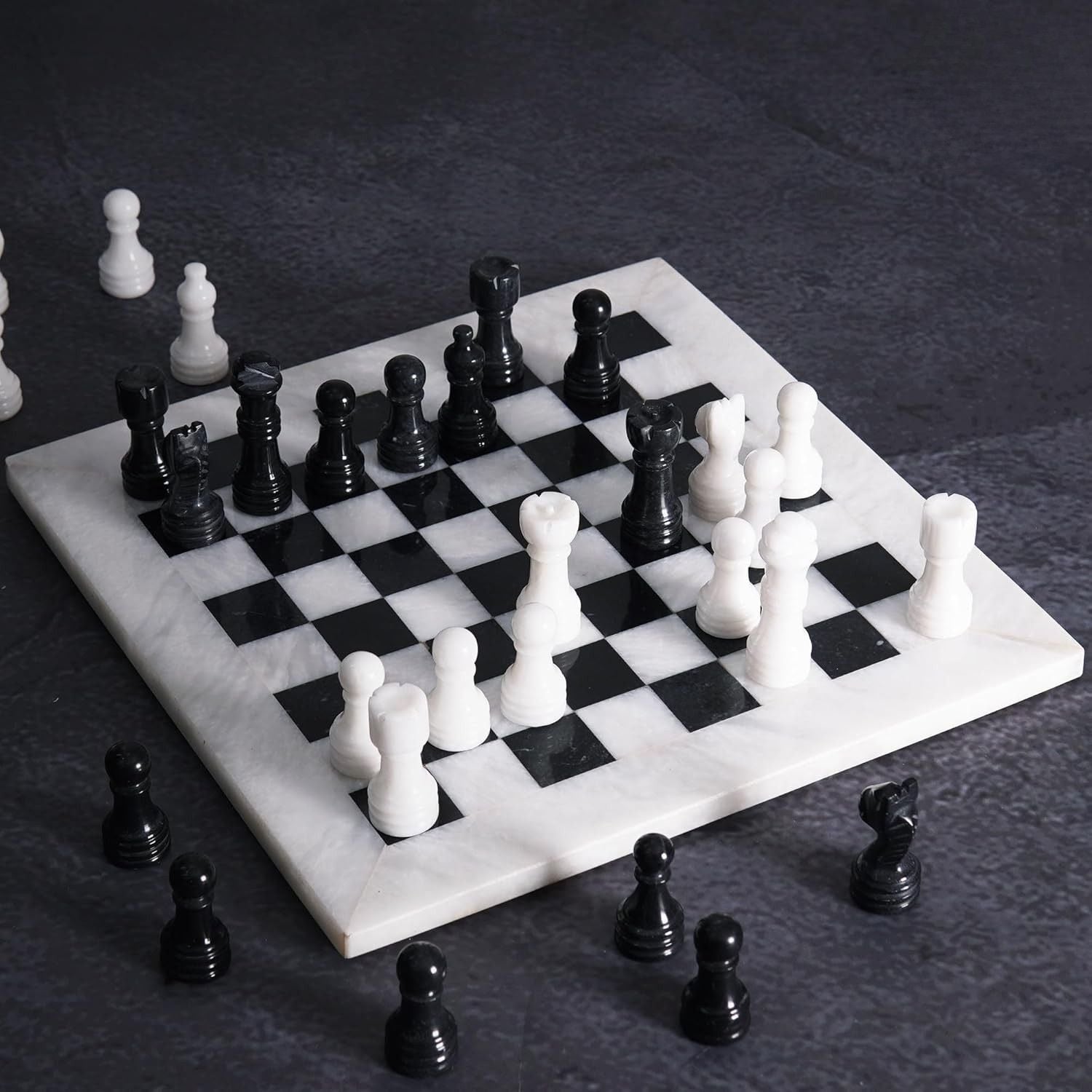
Chess can be played alone or with others — and when played with others, it becomes a powerful way to build connections. A marble chess set placed in a living room naturally draws people together, whether for a casual game or a friendly family tournament. For evenings when everyone wants to join in, marble tic-tac-toe is a perfect companion game for younger children at the table.
Chess clubs and tournaments give players the opportunity to connect with others who share their passion. They exchange strategies, analyse games together, and learn from each other in a way that screens and social media simply cannot replicate.
6. Provides Hours of Entertainment

At its heart, chess is simply a great source of entertainment. It is a challenging, exciting game that provides hours of mental stimulation — whether played over a board at home, in a club, or online. No two games are ever exactly the same, which is why players return to it for a lifetime. If you are looking to build a complete games collection, browse our full range of marble board games for every age and occasion.
7. Protects Against Dementia

Chess has been shown to benefit long-term cognitive health — including potentially helping protect against dementia. Because playing chess demands sustained mental effort and strategic depth, it keeps the brain active and engaged in ways that may slow cognitive decline.
Studies have found that regular chess play can improve memory, attention, and other cognitive functions — all important for maintaining brain health as we age. Many families choose a marble chess set specifically to encourage older family members to keep their minds active through daily play.
8. Increases Self-Awareness

Chess requires players to be aware of their own thought processes, decision-making patterns, and emotional reactions. To improve at the game, a player must honestly assess their own strengths and weaknesses — a habit that naturally carries into everyday life.
This kind of self-reflection makes players more thoughtful, composed, and aware of how their decisions affect the outcome — both on and off the board. If you would like to gift this experience to someone special, explore our curated gifts under $100 collection for beautifully crafted sets at every budget.
Benefits at a Glance
| Benefit | What It Improves |
|---|---|
| Cognitive Abilities | Memory, concentration, problem-solving |
| Strategic Thinking | Planning, decision-making, foresight |
| Patience & Perseverance | Focus, emotional control, discipline |
| Confidence | Self-belief, resilience, competitive spirit |
| Socialisation | Communication, relationships, teamwork |
| Entertainment | Creativity, enjoyment, mental stimulation |
| Brain Health | Dementia protection, long-term cognition |
| Self-Awareness | Reflection, introspection, personal growth |
Conclusion
Chess has been played for centuries — and for very good reason. It sharpens the mind, builds patience, develops confidence, promotes connection, and protects long-term brain health. Whether you are a complete beginner or a seasoned player, the benefits of chess grow with every game you play.
If you are ready to bring chess into your home, explore our collection of handcrafted marble chess sets — natural stone sets built to be played, displayed, and handed down for generations.
Explore Marble Chess Sets →Frequently Asked Questions
Q1: How can playing chess benefit you?
Chess improves your decision-making skills, builds patience, sharpens memory, and develops strategic thinking — all of which are valuable in everyday life.
Q2: Can chess improve brain function?
Yes. Playing chess challenges the brain to exercise logic, recognise patterns, and make decisions — effectively acting as a mental workout that strengthens cognitive function over time.
Q3: Does chess help with maths?
Studies have shown that children who play chess regularly score higher on academic tests, including maths, compared to those who do not play.
Q4: Does chess calm the mind?
Research has found that chess can help reduce stress and anxiety by channelling focus and mental energy into structured problem-solving.
Q5: What parts of the brain are used when playing chess?
Chess primarily activates the frontal lobe and prefrontal cortex — the areas responsible for problem-solving, planning, and decision-making.
Pairing Marble Pieces With The Right Board Material
How to set up a chess board- Step By Step
Related Posts

40th, 50th and 60th Birthday Gifts They'll Actually Keep

Luxury Gifts $150+: When to Spend Up

Marble Gifts Under $100 That Do Not Look It

Graduation Gifts That Last: The First Chess Set They'll Actually Keep

What Is in the Box, and Why It Gifts Well

Black Friday: What a Real Discount on Marble Looks Like

Secret Santa or Statement Gift? Under $100 vs Luxury